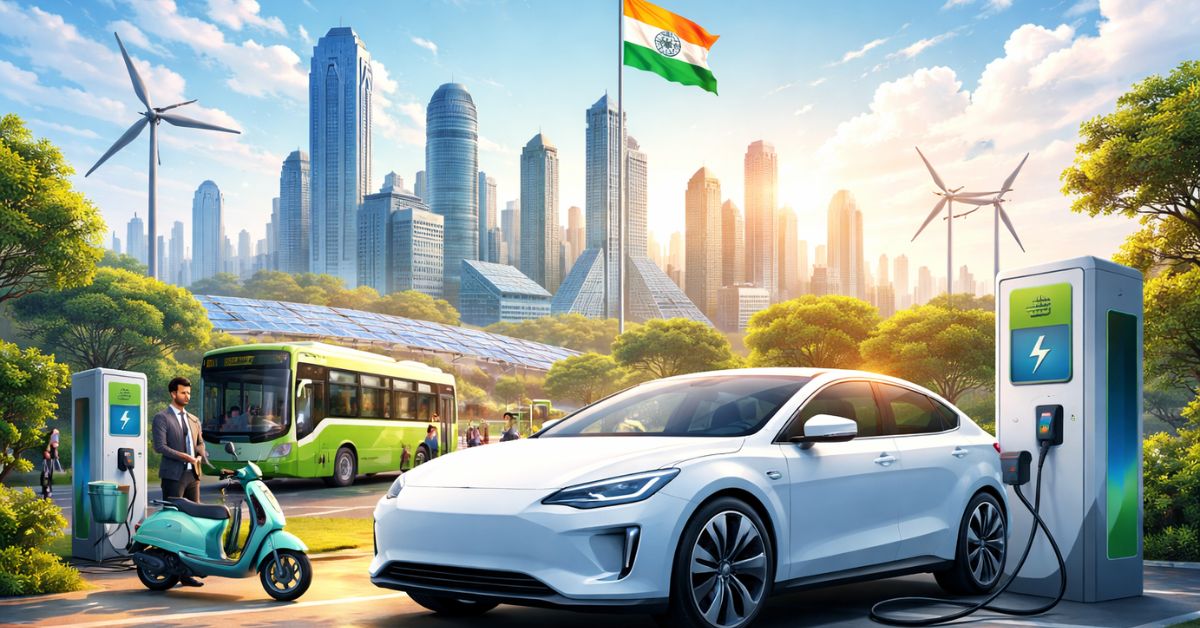
Electric vehicles are no longer just a new technology meant for early adopters; they have officially become a mainstream choice on Indian roads. From electric scooters zipping through heavy city traffic to zero-emission buses changing public transport, the shift is highly visible. If you are wondering why electric vehicles are future in India, the answer lies in a powerful combination of changing consumer preferences, aggressive government backing, and automakers launching affordable models.
This article explores how India’s electric mobility landscape is changing in 2026, the key government schemes driving this growth, and what to expect in the coming years as the country moves toward its ambitious 2030 green mobility goals.
The Shift From Disruption to Mainstream Adoption
For a few years, new startup companies completely dominated the Indian electric vehicle space. However, as we move through 2026, the market has matured. Buyers are now prioritizing long-term reliability, after-sales service, and lower ownership costs over pure novelty.
Legacy Automakers Take the Lead
Traditional automobile manufacturers have successfully taken control of the market. In the two-wheeler segment, established brands like TVS Motor, Bajaj Auto, and Hero MotoCorp have surged ahead. Together, they now capture a massive share of the electric two-wheeler market, leaving earlier startup leaders to figure out customer service challenges. Consumers feel more confident buying from brands that have a vast dealer and service network in their local cities.
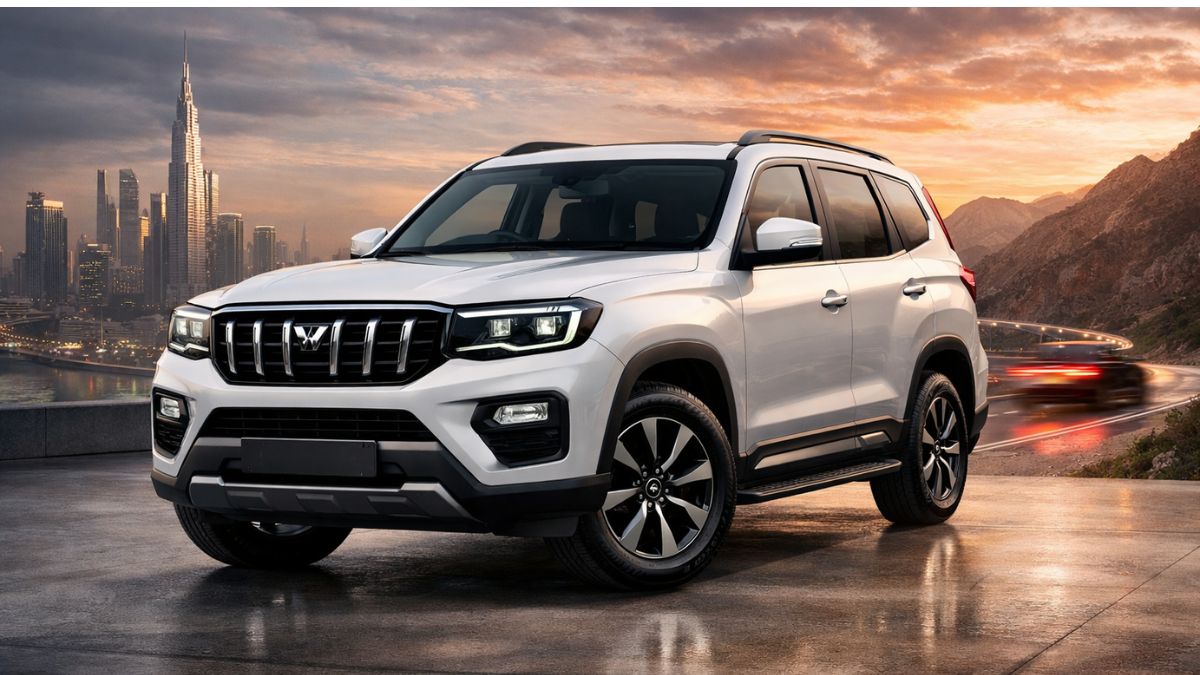
In the four-wheeler category, the competition is getting incredibly fierce. While Tata Motors has led the segment for the past few years, other giants like MG Motor and Mahindra are rapidly expanding their market share. Furthermore, India’s largest carmaker, Maruti Suzuki, is preparing its entry into the electric space with the highly anticipated eVitara. This upcoming launch is expected to shake up the market because of Maruti’s massive reach in smaller towns and rural areas.
A Focus on Entry-Level and SUV Models
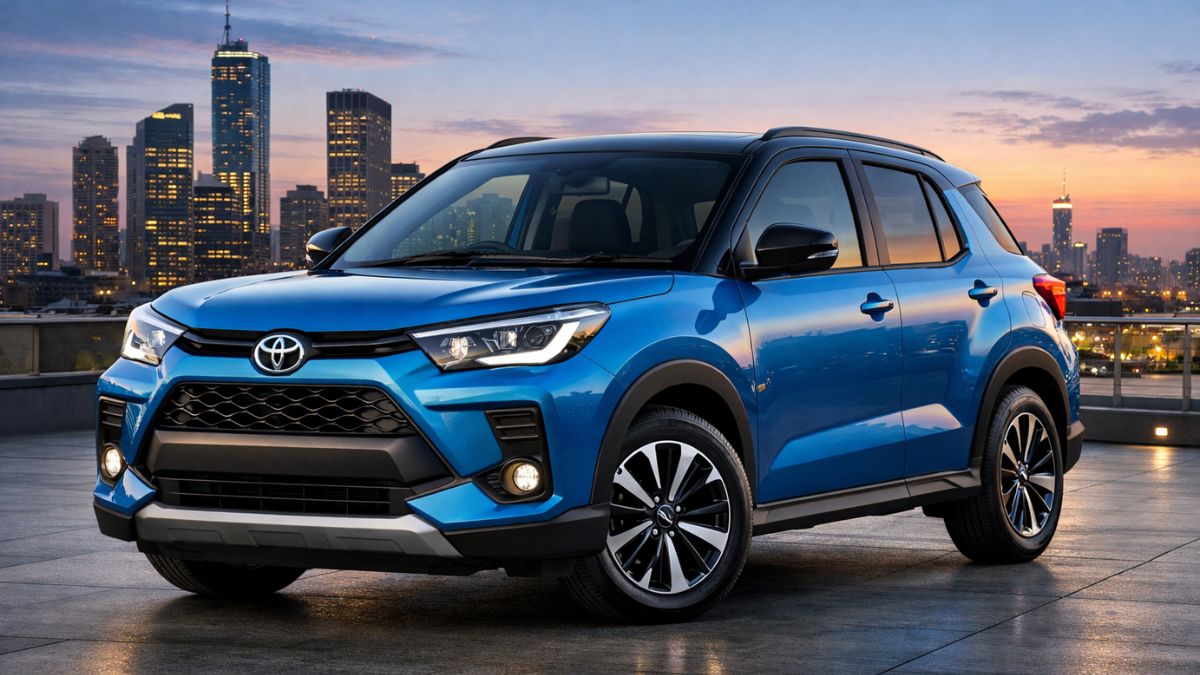
Automakers realize that to make electric cars a true success in India, they need to target the entry-level segment where the majority of demand exists. Recent launches like the updated Tata Punch EV aim to democratize electric vehicle adoption for budget-conscious buyers. At the same time, because Indian families love spacious vehicles, almost two-thirds of upcoming electric car launches are expected to be SUVs.
How the Government is Driving the Change
India’s transition to electric mobility would not be possible without massive financial and policy support from the central government. The government views this shift as crucial for both economic stability and environmental health.
The Game-Changing PM E-DRIVE Scheme
Replacing earlier subsidy programs, the government recently introduced the PM Electric Drive Revolution in Innovative Vehicle Enhancement (PM E-DRIVE) scheme. With a massive budget of Rs. 10,900 crore, this program is designed to directly lower the upfront cost of electric vehicles for buyers.
The scheme provides instant subsidies for electric two-wheelers, three-wheelers, ambulances, and trucks. By generating an Aadhaar-authenticated e-voucher at the dealership, buyers get an immediate discount on their purchase. The PM E-DRIVE scheme also supports the deployment of thousands of electric buses across major cities, ensuring that public transport becomes cleaner and quieter.
Expanding the Charging Infrastructure
One of the biggest worries for any new electric vehicle buyer is range anxiety—the fear of running out of battery before finding a plug. To solve this, the PM E-DRIVE scheme has dedicated Rs. 2,000 crore specifically for building public charging stations.
These funds are helping install thousands of fast chargers across cities, government complexes, malls, and major inter-state highways. By making charging as accessible as traditional petrol pumps, the government hopes to build total consumer confidence.
Why This Transition Matters for India
The rapid adoption of electric vehicles solves two massive problems for India: heavy reliance on imported crude oil and severe urban air pollution.
Currently, India imports over 80% of its crude oil requirements, which drains the country’s foreign exchange reserves and leaves the economy vulnerable to global price changes. By shifting a large portion of daily transport to electricity—especially if that electricity comes from solar and wind—India can save billions of dollars every year.
Additionally, India is home to several of the world’s most polluted cities. The exhaust from millions of diesel and petrol vehicles is a major contributor to poor air quality. Transitioning to zero-emission electric buses, commercial delivery trucks, and personal scooters will drastically clear the air, leading to better public health outcomes.
What Happens Next? The Road to 2030
India has set a clear target: to have 30% of all new vehicle sales be electric by the year 2030. Reaching this goal will require continuous effort.
Read More : e-Vitara Price in India
In the near future, we will see a massive push toward localizing battery manufacturing. Batteries make up the most expensive part of an electric vehicle. By producing lithium-ion cells domestically under the government’s Production Linked Incentive (PLI) schemes, automakers will be able to launch even cheaper vehicles. We can also expect stricter fuel efficiency rules for traditional vehicles, which will naturally push manufacturers to produce more electric options.
While challenges like grid capacity and rural charging networks remain, the path forward is set. With dropping battery prices, new affordable car launches, and rock-solid government support, electric vehicles are undeniably the future of Indian roads.
Frequently Asked Questions (FAQs)
What is the PM E-DRIVE scheme?
It is a government initiative with a Rs. 10,900 crore budget that provides direct financial subsidies to buyers of electric two-wheelers, three-wheelers, and commercial vehicles to make them more affordable.
Are electric vehicles cheaper to maintain in India?
Yes. Electric vehicles have far fewer moving parts than traditional petrol or diesel engines. This means you do not need regular oil changes, and the overall cost of running and maintaining them is much lower over time.
What is the main challenge for electric vehicles in India?
The biggest challenge remains the charging infrastructure, especially for long highway trips and in rural areas. However, the government and private companies are actively investing thousands of crores to build widespread public charging stations.
Will electric car prices go down?
As battery manufacturing starts happening locally within India and production volumes increase, the upfront cost of electric cars is expected to drop significantly over the next few years.