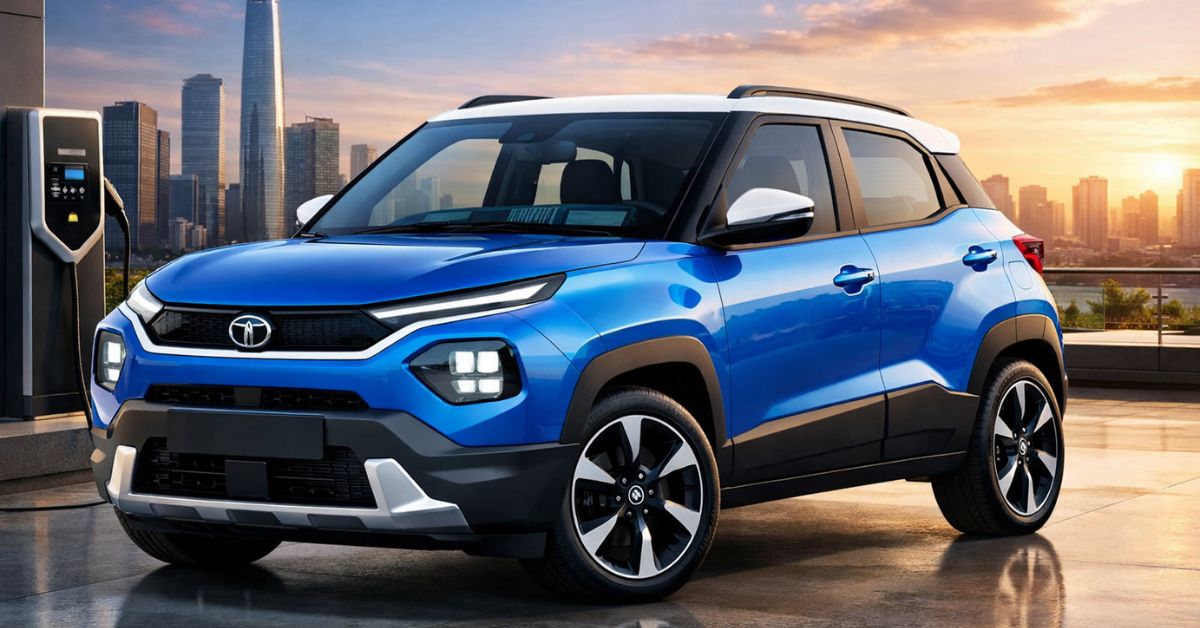
The Tata Punch has been one of India’s favorite micro SUVs since its debut, and it has just received a massive upgrade for 2026. On February 20, 2026, Tata Motors officially launched the much-awaited Tata Punch EV facelift, bringing game-changing features, larger battery options, and an aggressive new pricing strategy. Alongside the recent updates to the petrol and CNG variants, this EV launch cements the Punch as a dominant force in the Indian compact SUV market.
If you are planning to buy a new car this year, the 2026 Tata Punch update brings several exciting reasons to consider it. From a fresh design to an industry-first battery warranty, here is everything you need to know about the newly updated Tata Punch.
What Happened: Tata Punch 2026 Launch Details
Tata Motors has officially rolled out the first major facelift for the electric version of the Punch, perfectly timing it with the earlier cosmetic and feature upgrades given to the Internal Combustion Engine (ICE) models. The 2026 update focuses heavily on modernizing the vehicle’s appearance, improving passenger comfort, and addressing the biggest concerns of electric vehicle buyers: high upfront costs and range anxiety.
The most groundbreaking announcement from the launch event in Mumbai is the introduction of a Battery-as-a-Service (BaaS) ownership model and an unprecedented lifetime battery warranty, making this electric SUV more accessible to the average Indian buyer.
Key Details and Pricing Explained
Pricing is where the 2026 Tata Punch update truly shines. For buyers interested in the traditional petrol or CNG models, the updated ICE variants start at an attractive Rs 5.59 lakh (ex-showroom).
However, the major news revolves around the EV pricing. The standard Tata Punch EV facelift is priced starting at Rs 9.69 lakh (ex-showroom). To make EV ownership even more affordable, Tata has introduced a unique BaaS program. Under this scheme, customers can buy the car at a significantly reduced base price of Rs 6.49 lakh, separating the cost of the battery from the vehicle. Buyers then pay a nominal battery usage charge of Rs 2.6 per kilometer. This petrol-like running cost model drastically lowers the entry barrier for urban commuters.
New Battery Options and Impressive Range
Tata Motors has listened to customer feedback and introduced more powerful battery options for 2026. The new Punch EV is available with either a 30 kWh or a larger 40 kWh battery pack, replacing the older configurations.
The top-tier 40 kWh variant boasts an ARAI-certified range of 468 kilometers on a single charge, translating to a highly practical real-world range of about 355 kilometers. Fast-charging capabilities have also been significantly improved. Using a 65 kW DC fast charger, the vehicle can juice up from 20 to 80 percent in just 26 minutes. A quick 15-minute coffee break can easily add up to 135 kilometers of driving range.
Adding total peace of mind for the consumer, Tata has announced an industry-first lifetime battery warranty (unlimited kilometers for up to 15 years) for the first registered owner of the vehicle.
Exterior and Interior Design Changes
The visual identity of the Tata Punch has matured beautifully in 2026. At the front, the older black strip between the headlamps has been replaced by a clean, sealed-off grille, giving the SUV a sharper, more futuristic look. A full-width LED light bar now elegantly connects the daytime running lamps. The vehicle also sports new 16-inch aero-focused alloy wheels and is available in fresh, vibrant colors like Fearless Yellow and Bengal Rouge.
Inside the cabin, the layout feels far more premium. The dashboard now houses a massive 12.3-inch touchscreen infotainment system alongside a crisp 10.25-inch digital instrument cluster. Passenger comfort has been prioritized with the addition of ventilated front seats, an illuminated two-spoke steering wheel, touch-based climate controls, and a 360-degree surround-view camera to make parking in tight Indian streets a breeze. Safety remains paramount, with six airbags, electronic stability control, and all-wheel disc brakes offered as standard.
Why It Matters and Impact in India
The 2026 Tata Punch update is not just another car launch; it is a strategic move to democratize electric vehicles in India. By lowering the initial purchase price through the BaaS model and eliminating battery replacement fears with a lifetime warranty, Tata is directly solving the primary hesitations of middle-class Indian car buyers.
This aggressive push is set to severely disrupt the entry-level SUV segment, forcing competitors like the Hyundai Exter, Citroen eC3, and upcoming compact SUVs to rethink their pricing and feature offerings.
Read More : Nissan Gravite Top Model Price & Key Features
What Happens Next
Bookings for the 2026 Tata Punch EV facelift are officially open online and at Tata dealerships across the country. Deliveries are expected to commence almost immediately. With multiple variants ranging from the base Smart trim to the top-spec Empowered Plus S, buyers have a wide array of choices depending on their budget and range requirements.
Frequently Asked Questions (FAQs)
What is the price of the new Tata Punch EV 2026?
The standard ex-showroom price starts at Rs 9.69 lakh. However, if you choose the Battery-as-a-Service (BaaS) plan, the car costs just Rs 6.49 lakh upfront, plus a battery rental fee of Rs 2.6 per kilometer.
What is the real-world range of the 2026 Punch EV?
The new 40 kWh battery pack offers an ARAI-certified range of 468 km, which delivers around 355 km of real-world driving range depending on traffic and driving conditions.
Does the new Tata Punch have a 360-degree camera?
Yes, the updated 2026 model comes equipped with a 360-degree surround-view camera and a blind spot view monitor on the higher variants.
What is the lifetime battery warranty offered by Tata?
Tata Motors is offering an industry-first lifetime battery warranty (covering up to 15 years and unlimited kilometers) exclusively for the first registered owner of the new Punch EV.
Are there updates to the petrol Tata Punch as well?
Yes, the internal combustion engine (petrol and CNG) variants have also received subtle styling tweaks, new digital screens, and updated interiors, with prices starting at Rs 5.59 lakh.