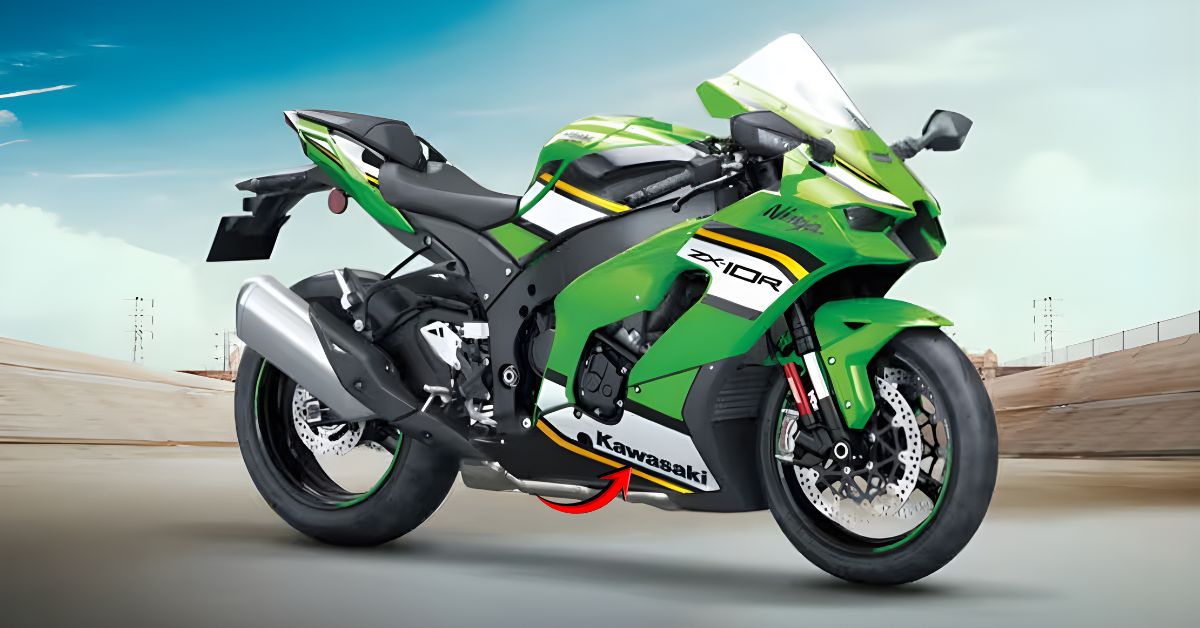
The Kawasaki Ninja ZX-10R remains one of the most revered litre-class superbikes in 2025, a machine that combines razor-sharp engineering, race-bred performance, and street-ready practicality. Whether you are evaluating it for high-speed touring, occasional track use, or simply appreciating superbike-level engineering, this comprehensive guide covers everything: engine and performance data, top speed potential, real-world usability, price considerations in India, detailed specifications, and a frank verdict. This is written from the standpoint of an experienced analyst deeply familiar with superbikes and their operation in varied road and urban conditions.
What Makes the Ninja ZX-10R Stand Out in 2025
The Kawasaki Ninja ZX-10R has built its legacy on raw performance derived from Japanese superbike engineering. At its core lies a 998 cc liquid-cooled, inline-four cylinder engine with DOHC 16-valve configuration. This configuration allows for a combination of high-revving capability and substantial mid-range grunt — the hallmarks of a superbike meant for aggressive road riding and track capability. In 2025, Kawasaki continues to refine this formula by offering rider-centric features and premium-grade hardware, preserving its status among liter-class sportbikes while keeping it in relative reach for serious riders. The ZX-10R is not a casual commuter; it is a machine designed for those who appreciate performance, demand precision, and aren’t satisfied with “average.” Its engineering pedigree, component quality, and dynamic behavior differentiate it from mid-segment or commuter motorcycles and make it a top choice for enthusiasts.
Engine, Power Delivery & Top Speed Potential
At the heart of the Ninja ZX-10R is the 998 cc inline-four, liquid-cooled engine mated to a 6-speed manual gearbox with chain final drive. This engine is tuned to deliver an impressive power output — on par with many superbikes globally — making it capable of claiming up to 203 PS at 13,200 rpm, and around 114.9 Nm of torque at 11,400 rpm (depending on market variant). That kind of peak output, when combined with the bike’s 207 kg approximate kerb weight and a 17-litre fuel tank, yields a high power-to-weight ratio that superbike riders demand.
These numbers translate into a claimed top speed of approximately 299 km/h under ideal conditions. In real-world usage — highways or open roads with suitable conditions — the ZX-10R offers explosive acceleration, strong mid-range thrust, and confident high-speed stability. The inline-four configuration ensures that power delivery is smooth and progressive rather than abrupt, making throttle response predictable but potent. This makes overtakes, high-speed cruising, and dynamic cornering not just possible, but thrilling, provided the rider respects the machine’s demands for control, discipline and proper road awareness.
Chassis, Suspension, Brakes – The Hardware Behind the Performance
A superbike is only as good as its chassis, suspension and braking setup — and here the Ninja ZX-10R truly shines. The frame is a lightweight yet rigid twin-spar aluminium chassis, engineered to balance torsional rigidity with responsive handling. This design helps the bike stay planted during high-speed cornering and throttle transitions, while still offering agility in tighter sections. The geometry, weight distribution and frame stiffness work together to deliver a dynamic yet predictable ride quality — a core requirement for a bike in the liter class that sees both aggressive track runs and spirited road use.
Upfront, the suspension is handled by high-spec inverted forks (often premium-grade units like Showa, depending on market), while at the rear there is a mono-shock with linkage, offering adjustable preload and damping to adapt to different riding styles and loads. This kind of suspension setup brings superbike-level control over bumps, undulations, abrupt braking, and rapid directional changes. On brakes, the ZX-10R carries dual large-diameter discs at the front (typically 330 mm) with high-performance multi-piston calipers, and a substantial rear disc for balanced stopping power. Combined with modern ABS and riding electronics, this ensures the bike can be handled confidently even under aggressive riding or sudden stops.
Read More: Honda Shine 125
Real-World Use: Practicality, Comfort & Everyday Considerations
Though fundamentally a superbike, the Ninja ZX-10R retains enough practical touches to make it usable beyond just track days or weekend rides. The 17-litre fuel tank gives a respectable range — enough for long rides without overly frequent fuel stops (though fuel efficiency will of course be lower than commuter bikes). In traffic or city conditions, the engine’s smoothness and manageable clutch/gearbox dynamics make it surprisingly tractable for a 1000 cc motorcycle, though its weight and power demand respect and caution.
Riding posture, while sport-oriented, is not unreasonably aggressive for short rides. The handlebar-clipper and footpeg positioning combine to give a sporty yet manageable stance. However, comfort drops over prolonged city crawling or for pillion riders — as with many superbikes, the ZX-10R’s character is optimized for performance rather than touring comfort.
Maintenance, tyres, fuel costs, insurance — all come at a premium compared to mid-segment bikes, and need to be factored in. Ownership of a liter-class superbike in India demands responsible riding, regular maintenance, higher quality consumables (tyres, brake pads, lubricants), and awareness of road conditions.
Price in India (2025) and Cost of Ownership
As of 2025, the ex-showroom price of the Ninja ZX-10R in India is generally in the ballpark of ₹19.8 lakh to ₹20.8 lakh, varying with city, local taxes, logistics costs and applicable variant. Once you account for road tax, registration, insurance, and other expenses, the on-road cost can rise substantially — often pushing the final price higher depending on location and dealer markup. This positions the ZX-10R among the more “accessible” liter-class superbikes in India, compared to some imported or premium-branded alternatives — but it remains a significant investment, especially when weighed against maintenance and running costs.
Owning a ZX-10R also involves higher periodic servicing costs, premium fuel requirement, more frequent wear-and-tear replacement (tyres, brake pads, chain & sprockets), and more vigilant maintenance. For a rider who plans to use the bike as a weekend sports machine or occasional long-ride companion — and who values performance above running economy — the ZX-10R offers a justified cost-to-performance ratio. For daily commuting or low-maintenance expectations, however, the high running costs and performance potential might make the ownership less practical.
Electronics, Rider Aids and Modern Features in 2025
One of the areas where the Ninja ZX-10R distinguishes itself is its advanced electronics and rider aids package (in markets where they are offered). Ride-by-wire throttle control ensures smooth, precise throttle responses. Multiple ride modes help adapt engine output and throttle sensitivity to conditions — from cautious city rides to aggressive track days. In many variants, a modern instrument console (often TFT) offers clear visibility of riding data, gear position, riding mode, fuel, temperature, and trip information, reflecting how superbike usability has evolved with rider expectations.
Moreover, safety and performance aids such as dual-channel ABS, traction control, quickshifter (in many markets, including bi-directional up/down shifts), and possibly launch or rear-wheel lift control — all these help riders manage a high-power machine more safely, especially if they are transitioning from smaller bikes or using it for mixed road and occasional track use. This blend of mechanical excellence and electronic sophistication helps the ZX-10R cater to both experienced superbike riders and skilled enthusiasts looking for a capable motorcycle that also respects rider safety and road regulations.
Who Should Consider the Ninja ZX-10R — And Who Should Think Twice
The Kawasaki Ninja ZX-10R is a superbike for riders with passion, respect for performance, and willingness to invest time and resources in responsible ownership. It is ideal for riders who occasionally crave high-speed runs, who understand superbike dynamics, and who are interested in occasional track days or spirited highway rides. If you value engineering excellence, appreciate how suspension, braking, chassis and power combine to offer a true superbike experience — and accept maintenance/training costs — the ZX-10R makes sense.
On the other hand, if your needs revolve around daily commuting, low fuel cost, minimal maintenance, or everyday practicality — a liter-class superbike might bring more demands than benefits. Aggressive power, heavy maintenance schedule, and premium consumables may not justify the returns if your riding is restricted to city commutes or slow-paced traffic conditions. For first-time big-capacity bike owners, or those with comfort and practicality as priority, a mid-capacity touring or commuter-oriented bike may offer a better balance.
2025 Verdict: Is the Kawasaki Ninja ZX-10R Worth It?
In 2025, the Kawasaki Ninja ZX-10R continues to justify its place among the top-tier superbikes available to motorcycle enthusiasts — combining raw power, race-bred hardware, modern electronics, and a price point that remains competitive within its class in India. For a serious rider who values performance, appreciates mechanical sophistication, and is prepared for the responsibilities that come with a liter-class motorcycle, the ZX-10R offers one of the most compelling packages on the market. It’s a superbike that demands respect and rewards skill. If your goal is to own a true litre-class performance motorcycle capable of unleashing its potential on open roads or tracks — while still being legal for road use — the Ninja ZX-10R remains a strong, rational choice in 2025.
However, if your priorities tilt toward comfort, economy, minimal maintenance and predictable everyday usability, it may be wise to consider alternatives better aligned with those needs. The ZX-10R thrives when treated as a performance instrument, not just a regular mode of transport. Done right, it delivers an exhilarating, rewarding, and undeniably premium riding experience.