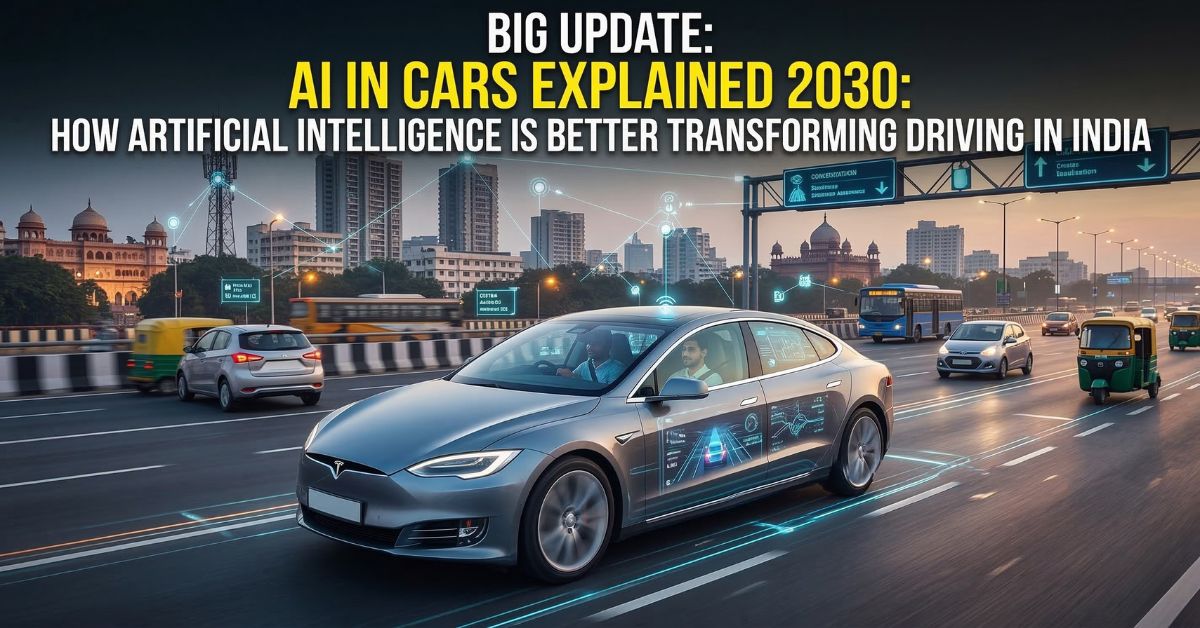
Artificial Intelligence (AI) AI in Cars is quickly transforming the automobile industry. Cars are no longer just machines that move people from one place to another. With AI-powered features, modern vehicles can now assist drivers, prevent accidents, understand voice commands, and even learn from driving conditions.
In India, this shift is becoming visible as many new vehicles are launching with smart technologies like Advanced Driver Assistance Systems (ADAS), voice-enabled infotainment, and connected car platforms. This article explains how AI works in cars, what it means for Indian drivers, and how it could change the future of mobility.
What Does “AI in Cars” Mean?
AI in cars refers to the use of artificial intelligence and machine learning to improve vehicle safety, performance, and user experience. These systems analyze data from sensors, cameras, radar, and GPS to understand road conditions and assist the driver in real time.
For example, AI can detect pedestrians, recognize traffic signs, or automatically apply brakes when a collision risk is detected. In some advanced vehicles, AI can even handle certain driving tasks such as lane keeping or adaptive cruise control.
Automakers around the world are increasingly integrating AI to create safer and more efficient vehicles.
How AI in Cars Is Used in Modern Cars
AI in Cars technology is used in several areas of modern vehicles. Some of the most common uses include safety systems, smart infotainment, and predictive maintenance.
Advanced Driver Assistance Systems (ADAS)
ADAS is one of the most common AI-powered technologies in cars today. It helps drivers by monitoring surroundings and reacting to potential dangers.
Features may include lane departure warning, forward collision alerts, automatic emergency braking, and adaptive cruise control.
In India, many popular cars from brands like Hyundai, Kia, Tata, and Mahindra now offer ADAS features, making advanced safety technology available to more buyers.
Experts believe such systems could significantly reduce road accidents, especially in complex traffic environments.
Voice Assistants and Smart Cabin Technology
AI also powers voice recognition systems inside modern cars. Drivers can control music, navigation, calls, and climate settings using simple voice commands.
These systems improve safety because drivers do not need to remove their hands from the steering wheel. AI in Cars-based cabins are evolving further, with features like facial recognition, driver monitoring, and personalized settings.
The goal is to turn the car into a “smart companion” rather than just a vehicle.
Self-Driving and Autonomous Technology
Autonomous driving is one of the most advanced applications of AI in vehicles. Self-driving cars use deep learning algorithms and sensors to analyze road conditions and make driving decisions.
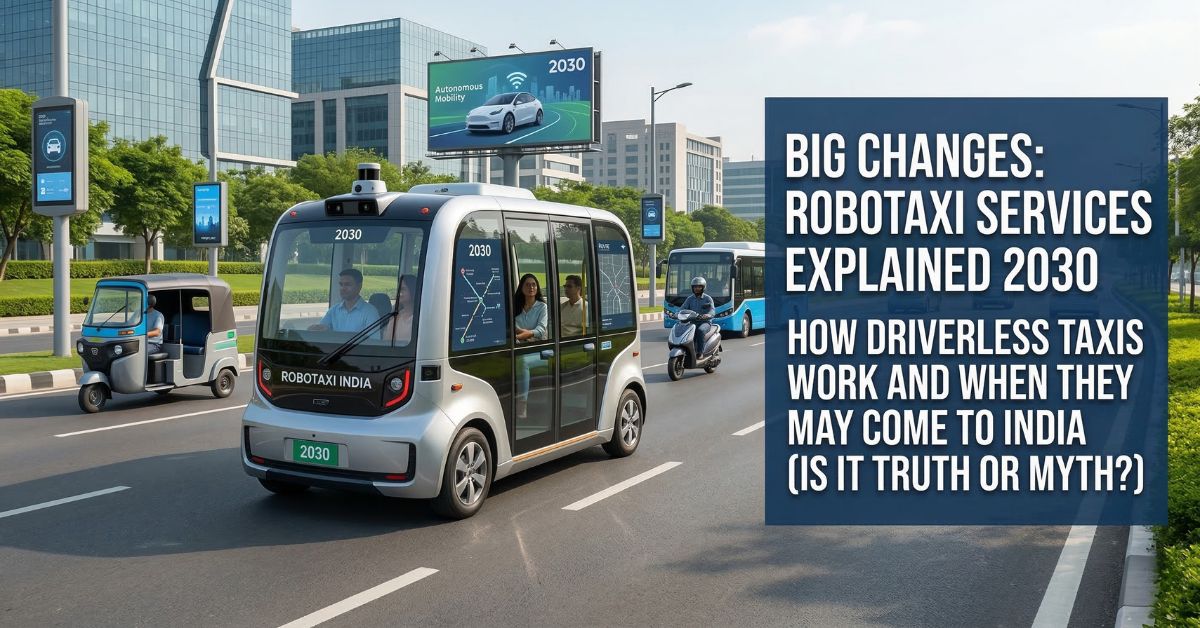
Although fully autonomous cars are still under development, the technology is progressing quickly. For instance, global companies are testing robotaxi services and AI-based driving systems that can adapt to real-world traffic conditions.
In India, fully driverless cars may take time due to complex road conditions and regulations, but the technology is steadily evolving.
AI in Cars : Current Trends
India’s automotive sector is increasingly adopting artificial intelligence. Several new AI in Cars now include AI-based safety and connected features.
Currently, most AI-powered cars in India offer Level 1 or Level 2 automation. This means the car can assist with tasks like braking, steering, and maintaining distance, but the driver must stay in control.
The technology is also being used beyond driving. Manufacturers are using AI in car production, quality inspection, and predictive maintenance to improve efficiency and reduce downtime.
This shows that AI is transforming both the vehicle itself and the entire automotive ecosystem.
Why AI in Cars Matters for India
India has one of the largest road networks and one of the highest traffic accident rates in the world. AI-powered safety systems could play a major role in reducing accidents and improving road safety.
For example, AI-based systems can detect pedestrians, cyclists, or obstacles in complex traffic situations and alert the driver immediately.
Studies suggest that AI-driven driver assistance systems could reduce accident rates significantly by predicting potential hazards and responding faster than human drivers.
As these technologies become more affordable, they could become standard features in many cars sold in India.
Challenges and Concerns
Despite its benefits, AI in cars also brings several challenges.
One major issue is infrastructure. Indian roads often have unpredictable traffic patterns, stray animals, and inconsistent lane markings, which make autonomous driving more difficult.
Another concern is cybersecurity and data privacy. AI-powered cars collect large amounts of data, and protecting that data is crucial.
Regulatory approval is also required before fully autonomous vehicles can operate widely on public roads.
What the Future of AI Cars Looks Like
The future of AI-powered cars is moving toward connected and autonomous mobility. Automakers are investing heavily in AI chips, software platforms, and advanced sensors to make vehicles smarter and safer.
In the coming years, we may see cars that communicate with traffic signals, road infrastructure, and other vehicles to improve traffic flow and safety.
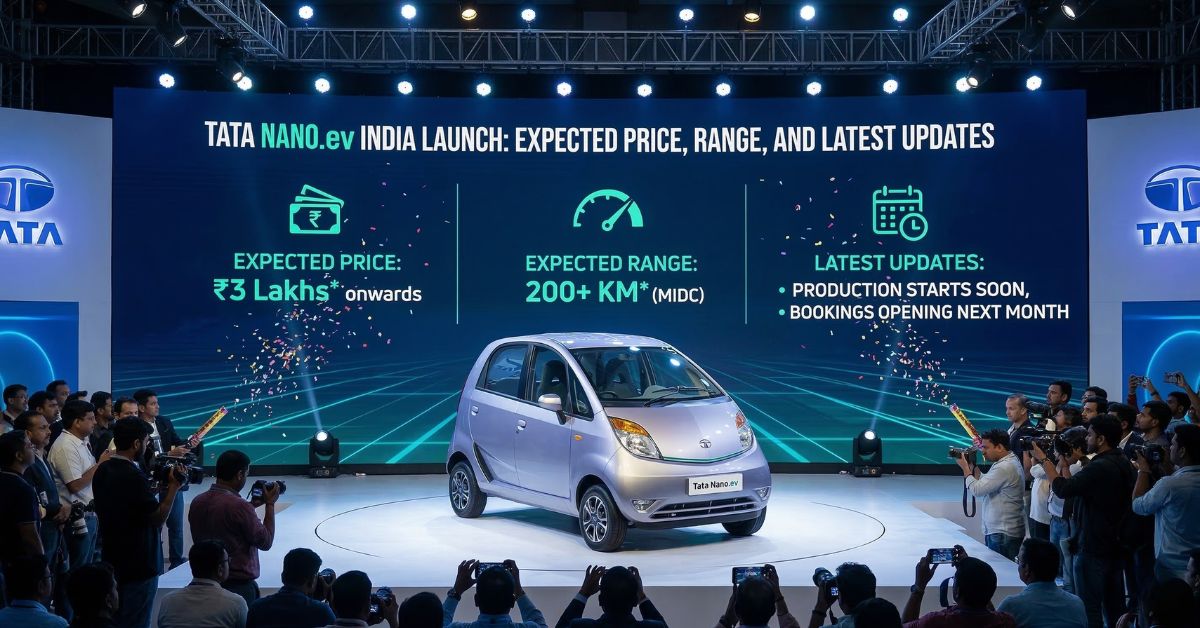
Read More : Tata Nano EV Launch Date in India 2026
Electric vehicles, connected car ecosystems, and AI-driven automation are expected to shape the next generation of transportation.
For India, the combination of affordable technology and growing demand for safer vehicles could accelerate the adoption of AI-powered cars.
FAQs (AI in Cars )
What is AI in cars?
AI in cars refers to artificial intelligence technologies that help vehicles understand their surroundings, assist drivers, and improve safety and performance.
Are AI cars available in India?
Yes. Many cars sold in India now include AI-based features such as ADAS, voice assistants, and connected car technology.
Can AI reduce road accidents?
AI-powered safety systems like collision detection and automatic emergency braking can help prevent accidents by reacting faster than human drivers.
Are self-driving cars legal in India?
Fully autonomous cars are not widely allowed on Indian roads yet. Most vehicles currently offer partial automation where the driver must remain in control.
Which cars in India have AI features?
Several models from brands like Hyundai, Tata, Mahindra, Kia, and MG include AI-powered safety and connected car features.