Eco-Friendly Car Technologies As climate change and air pollution become serious global concerns, the automotive industry is moving toward cleaner and more sustainable solutions. Eco-friendly car technologies are now transforming how vehicles are designed, powered, and used.
From electric vehicles to smart energy systems, these innovations aim to reduce fuel consumption, cut carbon emissions, and make transportation more sustainable. In India, this shift is gaining speed as the government promotes green mobility and carmakers introduce advanced technologies for cleaner driving.
This article explains the most important eco-friendly car technologies, how they work, and why they matter for India’s future transportation.
What Are Eco-Friendly Car Technologies?
Eco-friendly car technologies are innovations designed to reduce the environmental impact of vehicles. Traditional petrol and diesel cars release greenhouse gases and pollutants into the air. Green technologies aim to reduce or eliminate these emissions while improving energy efficiency.
Examples include electric powertrains, hybrid systems, alternative fuels, and energy-saving features built into modern vehicles. These technologies help create vehicles that produce fewer emissions, use less fuel, and offer sustainable mobility options.
Electric Vehicles (EVs): Zero Tailpipe Emissions
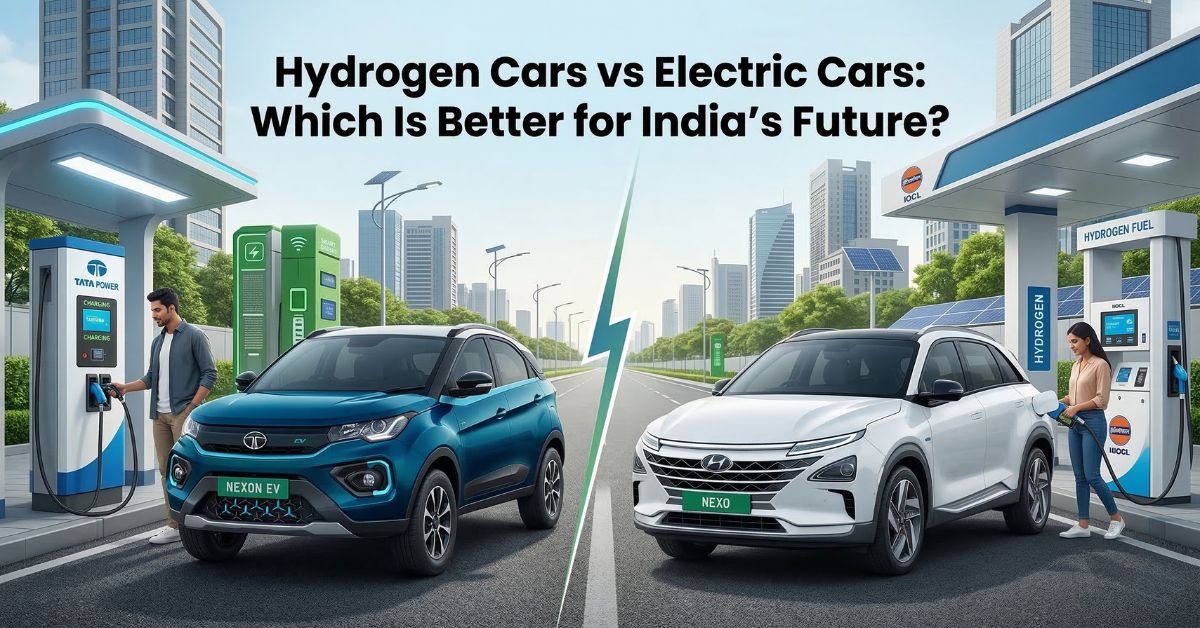
Electric vehicles are one of the most important eco-friendly technologies in the automobile industry. Instead of using petrol or diesel engines, EVs run entirely on electric motors powered by rechargeable batteries.
One of the biggest advantages of EVs is that they produce zero tailpipe emissions, which helps reduce air pollution and carbon emissions.
EV technology is rapidly growing in India due to government policies, incentives, and improved charging infrastructure. Several car manufacturers are launching new EV models, making them more accessible to consumers.
Why EVs matter
- Reduce air pollution in cities
- Lower dependence on fossil fuels
- Lower running costs compared to fuel cars
Hybrid Cars: Combining Petrol and Electric Power
Eco-Friendly Car Technologies combine a traditional internal combustion engine with an electric motor. This combination allows the vehicle to use electric power at low speeds and the petrol engine when more power is needed.
Hybrid technology improves fuel efficiency and significantly reduces emissions compared with conventional vehicles.
Some hybrid cars can run on electric power alone for short distances, especially during city driving or heavy traffic.
Types of hybrid systems
- Mild hybrids – assist the engine with electric power
- Full hybrids – can run on engine, electric motor, or both
- Plug-in hybrids – batteries can be charged externally
These technologies help drivers reduce fuel consumption while still having the range of traditional cars.
Regenerative Braking: Recycling Energy While Driving
Regenerative braking is another key eco-friendly technology used in electric and hybrid vehicles. Normally, energy is lost as heat when a car slows down.
With regenerative braking, the vehicle captures that energy and converts it into electricity, which is stored in the battery for later use.
This process increases vehicle efficiency, extends driving range, and reduces wear on braking components.
Alternative Fuels and Flex-Fuel Technology
Automakers are also exploring alternative fuels to make vehicles more sustainable. Flex-fuel vehicles, for example, can run on different blends of petrol and ethanol.
India is encouraging ethanol blending to reduce carbon emissions and decrease dependence on imported fuel. Future policies may promote flex-fuel and hybrid technologies together to improve fuel efficiency.
These vehicles are expected to become more common as India moves toward cleaner energy solutions.
Smart Energy Management and Advanced Batteries
Modern eco-friendly cars also use advanced battery technologies and smart energy management systems. These systems monitor energy usage and optimize performance to improve efficiency.
Innovations in battery technology are increasing driving range, reducing charging time, and lowering overall costs. Research institutions and companies are working on new battery designs and materials to make electric vehicles more affordable and efficient.
Why Eco-Friendly Car Technologies Matter for India
India faces serious challenges related to air pollution and fuel imports. Transportation is one of the major contributors to emissions in urban areas.
Adopting eco-friendly car technologies can help address these issues by reducing pollution, improving energy security, and supporting sustainable development.
The Indian government is promoting green mobility through policies such as EV incentives, charging infrastructure expansion, and research programs for clean transportation.
What the Future of Green Mobility Looks Like
The future of automobiles will likely combine multiple eco-friendly technologies. Electric power, hybrid systems, renewable fuels, and smart energy systems will work together to create cleaner vehicles.
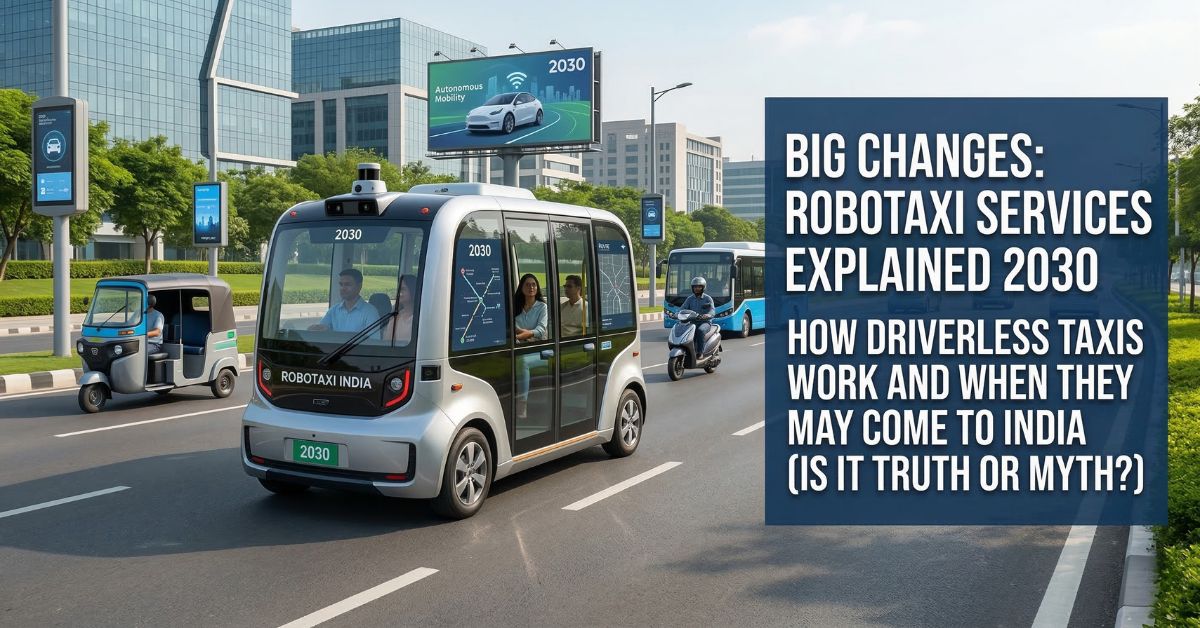
Read More : Big changes: Robotaxi Services Explained 2030
Automakers are investing heavily in research and innovation to make green vehicles more efficient, affordable, and widely available. As technology improves and infrastructure expands, eco-friendly cars are expected to become a normal part of everyday transportation.
FAQs(Eco-friendly car technologies)
What is an eco-friendly car?
An eco-friendly car is a vehicle designed to reduce environmental impact. It usually produces lower emissions, uses less fuel, or runs on clean energy like electricity.
Are electric cars better for the environment?
Yes. Electric vehicles produce zero tailpipe emissions, which helps reduce air pollution and greenhouse gases.
What is the difference between hybrid and electric cars?
Hybrid cars use both a petrol engine and an electric motor, while electric cars run entirely on battery power.
How does regenerative braking work?
Regenerative braking converts energy produced during braking into electricity and stores it in the vehicle’s battery.
Are eco-friendly cars cheaper to run?
Yes. They generally have lower fuel or electricity costs and may require less maintenance compared to traditional petrol or diesel cars.