If you have been looking to buy a new car recently, you have probably noticed a massive buzz around hybrid vehicles. With fluctuating fuel prices and heavy stop-and-go traffic in Indian cities, buyers are constantly looking for ways to save money on petrol without the range anxiety of a fully electric vehicle (EV).
Hybrid cars have emerged as the perfect middle ground. In 2026, the Indian automobile market is seeing a major shift, with top brands expanding their hybrid lineups and introducing advanced plug-in technology. But how exactly do these cars function, and are they the right choice for Indian roads? Here is everything you need to know about what happened in the hybrid space, how the technology works, and what the future holds.
What is a Hybrid Car?
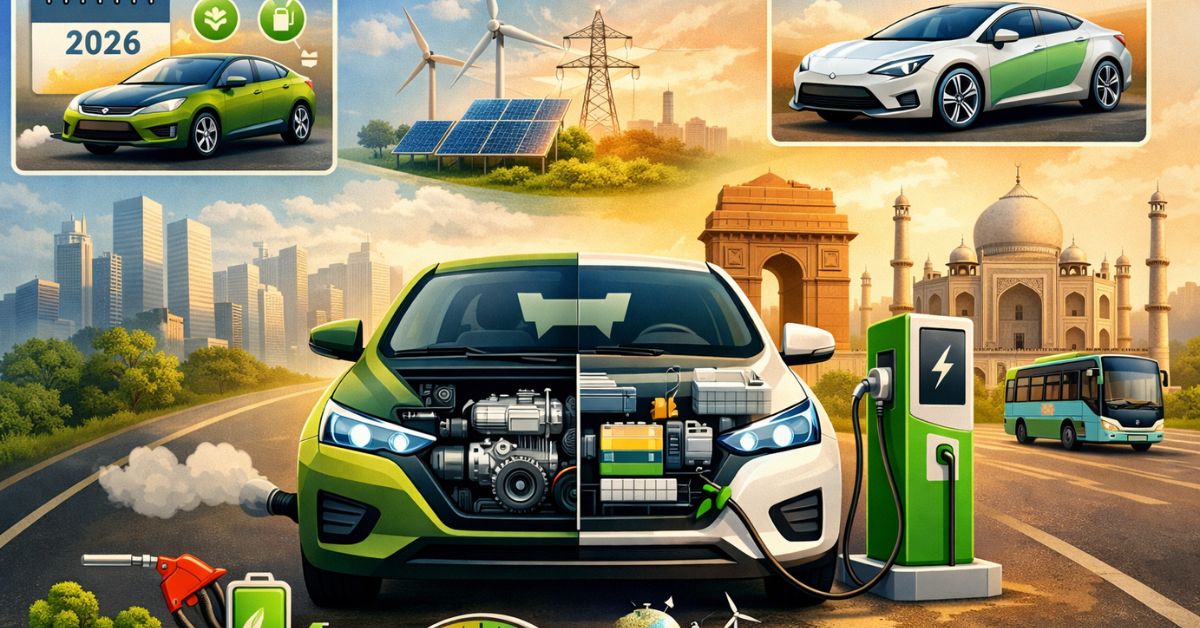
A hybrid car is a vehicle that uses two different power sources to move. Instead of relying solely on a traditional internal combustion engine (which runs on petrol or diesel), a hybrid vehicle also features an electric motor paired with a battery pack.
These two systems work together to give you the best of both worlds: the long driving range and easy refuelling of a petrol car, combined with the silent operation and high fuel efficiency of an electric vehicle.
How Do Hybrid Cars Actually Work?
The magic of a hybrid car lies in its internal computer, which automatically decides when to use the battery, when to use petrol, and when to use both. You do not have to flip any switches; the car does all the thinking for you.
When you start the car and drive at low speeds—like crawling through heavy city traffic—the electric motor does all the heavy lifting. The petrol engine stays completely off, which means you are burning zero fuel and creating zero emissions.
As you speed up or need more power to overtake someone on the highway, the petrol engine seamlessly turns on. At higher speeds, the petrol engine primarily drives the wheels. If you need sudden acceleration, both the engine and the electric motor work together to give you a powerful boost.
But where does the battery get its power? In most hybrid cars currently sold in India, you never have to plug the car into a wall socket. The battery charges itself in two ways:
- The petrol engine acts as a generator to charge the battery while you drive.
- The car uses “regenerative braking.” Every time you apply the brakes, the kinetic energy that is usually lost as heat is captured and converted into electricity to recharge the battery.
Types of Hybrid Cars in the Indian Market
Not all hybrid cars are the same. In India, the market is divided into three main categories based on how heavily they rely on electric power.
Mild Hybrids
In a mild hybrid, the electric motor is very small. It cannot drive the car on its own. Its only job is to assist the petrol engine during acceleration and to power the car’s electronics when the engine automatically turns off at a red light. Cars like the Maruti Suzuki Brezza and Ciaz use this technology. While it improves mileage slightly, it does not offer a pure electric driving experience.
Strong (Full) Hybrids
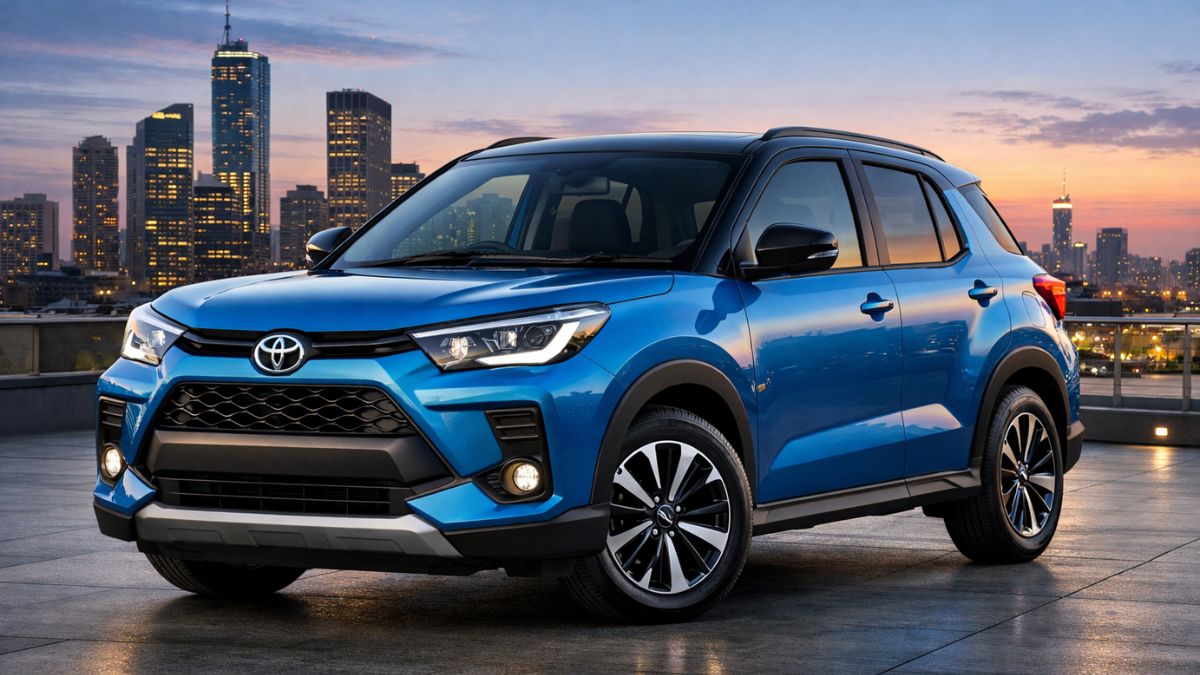
Strong hybrids have a much larger battery and a powerful electric motor. These cars can be driven purely on electric power at lower speeds for short distances. Because they can shut off the petrol engine frequently in city traffic, they deliver exceptional fuel economy, often crossing 20 to 25 kilometres per litre. Popular examples in India include the Toyota Urban Cruiser Hyryder, Maruti Suzuki Grand Vitara, Toyota Innova Hycross, and Honda City e:HEV.
Plug-in Hybrids (PHEVs)
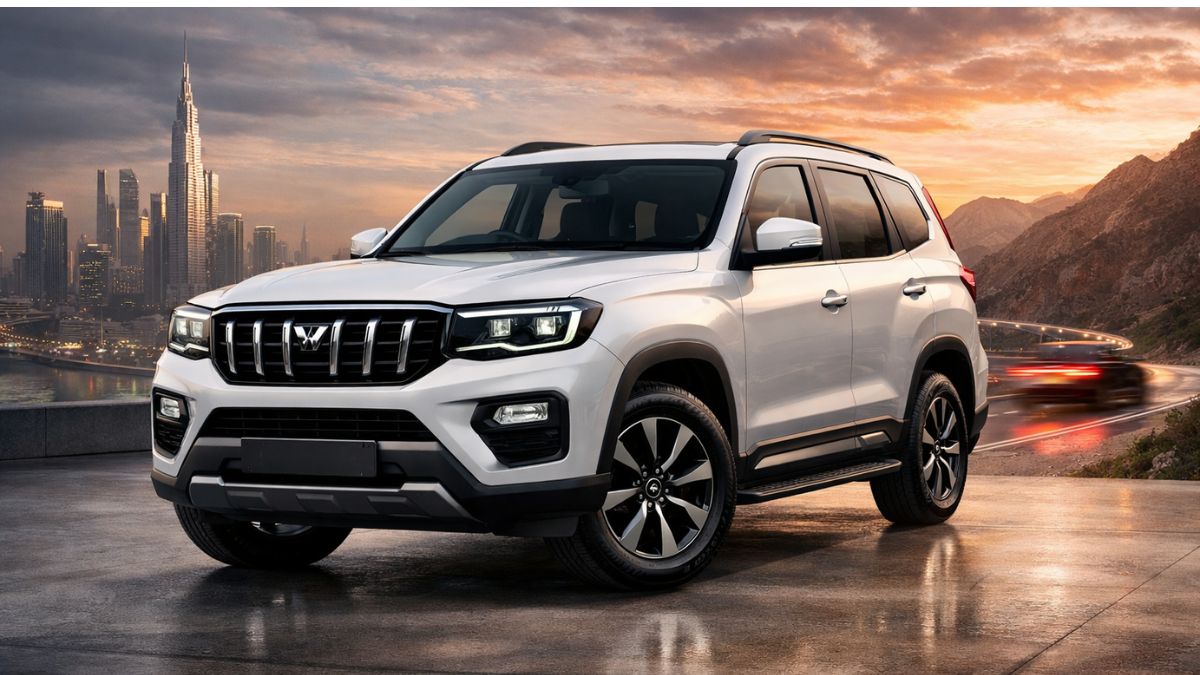
Plug-in hybrids are the next big thing hitting India in 2026. These cars feature much larger battery packs compared to strong hybrids. Because the battery is so big, it cannot be fully charged just by the engine or braking; you have to plug it into a charger, just like a pure EV. A PHEV can give you 50 to 100 kilometres of pure electric driving range. Once the battery runs out, the car simply switches to the petrol engine. MG Motor and JSW are planning to launch new plug-in hybrid SUVs in India very soon.
Why Hybrids Make Perfect Sense for India
The biggest advantage of a hybrid car in India is its ability to handle urban congestion. When you are stuck in a massive traffic jam in Mumbai or Bengaluru, a regular petrol car wastes fuel while idling. A hybrid car, however, shuts the engine off and creeps forward using the battery, saving a tremendous amount of petrol.
Furthermore, India’s electric vehicle charging infrastructure is still growing. If you frequently take long road trips to remote areas, finding a fast charger can be stressful. Hybrid cars eliminate this “range anxiety” because you can just fill up at any standard petrol pump in a matter of minutes.
The Impact of Tax Policies in 2026
The demand for hybrid cars is also closely tied to government taxation. Currently, pure electric vehicles enjoy significant tax benefits and road tax waivers in many states. However, in early 2026, states like Uttar Pradesh began reviewing their EV road tax waivers.
Read More : Why Electric Vehicles Are the Future in India
If governments decide to scale back the heavy discounts on EVs as the market matures, the upfront price gap between electric vehicles and traditional cars will widen. This policy shift could make hybrid cars an incredibly attractive middle ground for budget-conscious buyers who want high fuel efficiency without paying a massive premium for a fully electric vehicle.
What Happens Next? The Future of Hybrids
The year 2026 is shaping up to be a blockbuster year for hybrid technology in India. Automakers have realized that Indian consumers love the reliability and efficiency of this technology.
In the coming months, Renault is expected to launch a highly anticipated strong hybrid version of the new Duster. Maruti Suzuki is also rumoured to be working on a highly efficient series-hybrid system for the Fronx facelift. Meanwhile, MG Motor is set to introduce India’s mass market to plug-in hybrids. As battery costs gradually stabilize and more locally manufactured hybrid systems enter the market, we can expect these dual-powered vehicles to become even more affordable and accessible to the average Indian family.
Frequently Asked Questions (FAQs)
Do I need to charge a hybrid car at home?
If you buy a strong hybrid or a mild hybrid (like the Grand Vitara or Innova Hycross), you do not need to charge it at home. The car charges its own battery while driving. However, if you buy a Plug-in Hybrid (PHEV), you will need to plug it into a power source to get the maximum electric range.
Are hybrid cars successful in India?
Yes, they have been highly successful. Models like the Toyota Hyryder and Maruti Grand Vitara have seen massive waiting periods. Indian buyers appreciate them because they offer excellent mileage in city traffic without the stress of finding EV charging stations.
What is the difference between a mild hybrid and a strong hybrid?
A mild hybrid only uses a small motor to support the petrol engine slightly; it cannot run on electricity alone. A strong hybrid has a larger battery and motor, allowing the car to run purely on silent electric power at low speeds, which saves much more fuel.
Does the AC work when a hybrid car is running on the battery?
Absolutely. In a strong hybrid, the air conditioning compressor is powered electrically. This means your AC will continue to blow cold air even when the petrol engine turns off at a traffic light or while driving in pure EV mode.