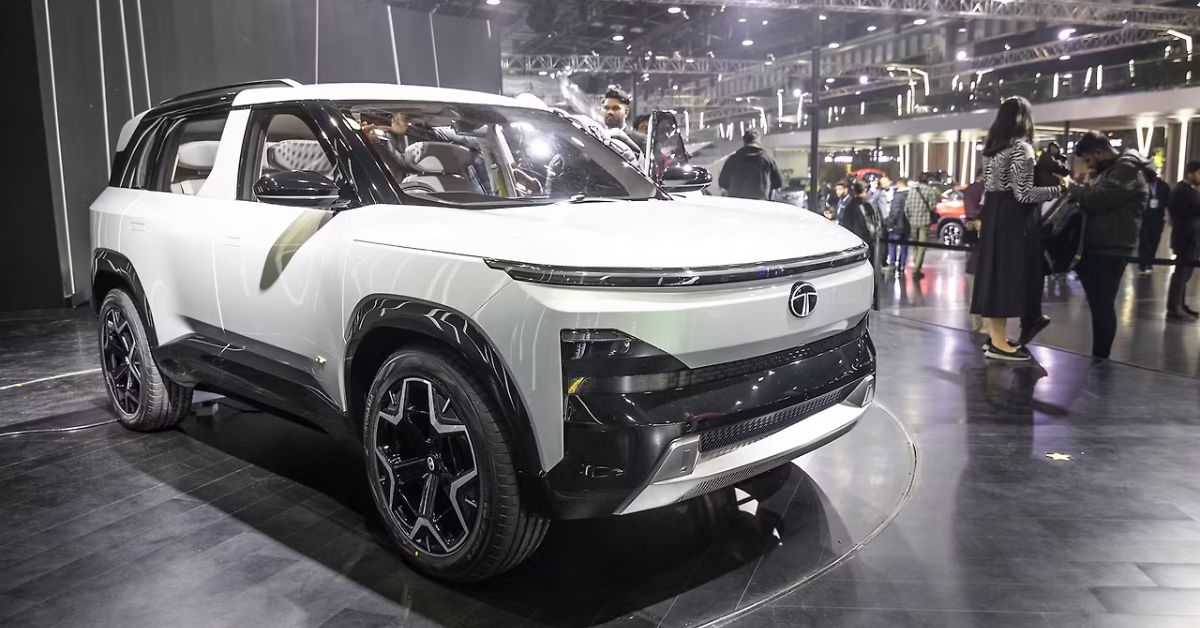
The 90s kids are crying tears of joy right now. After years of concepts, teasers, and endless speculation, the Tata Sierra is finally back on Indian roads. I still remember the original—that three-door swagger with the Alpine windows that made you feel like you were on a safari even in bumper-to-bumper Mumbai traffic.
But nostalgia can be a dangerous trap. It raises expectations to impossible levels. Does the 2026 Tata Sierra live up to the hype, or is it just a Nexon wearing a fancy glass suit? I spent 48 hours with the new Sierra Accomplished+ TGDi (Petrol) and the Long Range EV variant to find out.
With an aggressive starting price of ₹11.49 Lakh (Ex-Showroom), Tata isn’t just playing on emotions; they are aiming straight for the Hyundai Creta’s neck and the Mahindra Scorpio-N’s shins. Let’s dive in.
Quick Specs: The Numbers Game
Before we talk feelings, let’s talk facts. Tata has thrown everything into this—including their new Hyperion Gasoline Direct Injection engine.
| Parameter | 1.5L TGDi Petrol | 1.5L Diesel | Sierra EV (Long Range) |
| Engine/Motor | 1.5L Hyperion Turbo | 1.5L Kryojet | Gen 2 Acti.ev Motor |
| Power | 158 BHP | 118 BHP | ~175 BHP |
| Torque | 255 Nm | 260 Nm | 340 Nm |
| Transmission | 6-Speed AT / DCA | 6-MT / 6-AT | Single Speed Auto |
| 0-100 kmph | ~9.8 Seconds | ~12 Seconds | ~8.9 Seconds |
| Boot Space | 622 Liters | 622 Liters | 450 Liters (Frunk available) |
| Ground Clearance | 205 mm | 205 mm | 190 mm |
Exterior Design: A Masterclass in Modern Retro
Tata’s design chief, Martin Uhlarik, had the toughest job in the world: Don’t ruin the classic. And frankly, he’s nailed it.
The first thing you notice is the Glass House. The signature curved window that wraps over the roof from the B-pillar backwards is back, but it’s modernized. It’s not just a window; it’s a panoramic experience. The car looks boxy, upright, and incredibly wide.
Read more: Maruti Suzuki Brezza 2026
- The Front: It gets the new Tata family face with the connected LED DRL bar (which shows charging status on the EV), but the bonnet is flatter and more muscular than the Harrier.
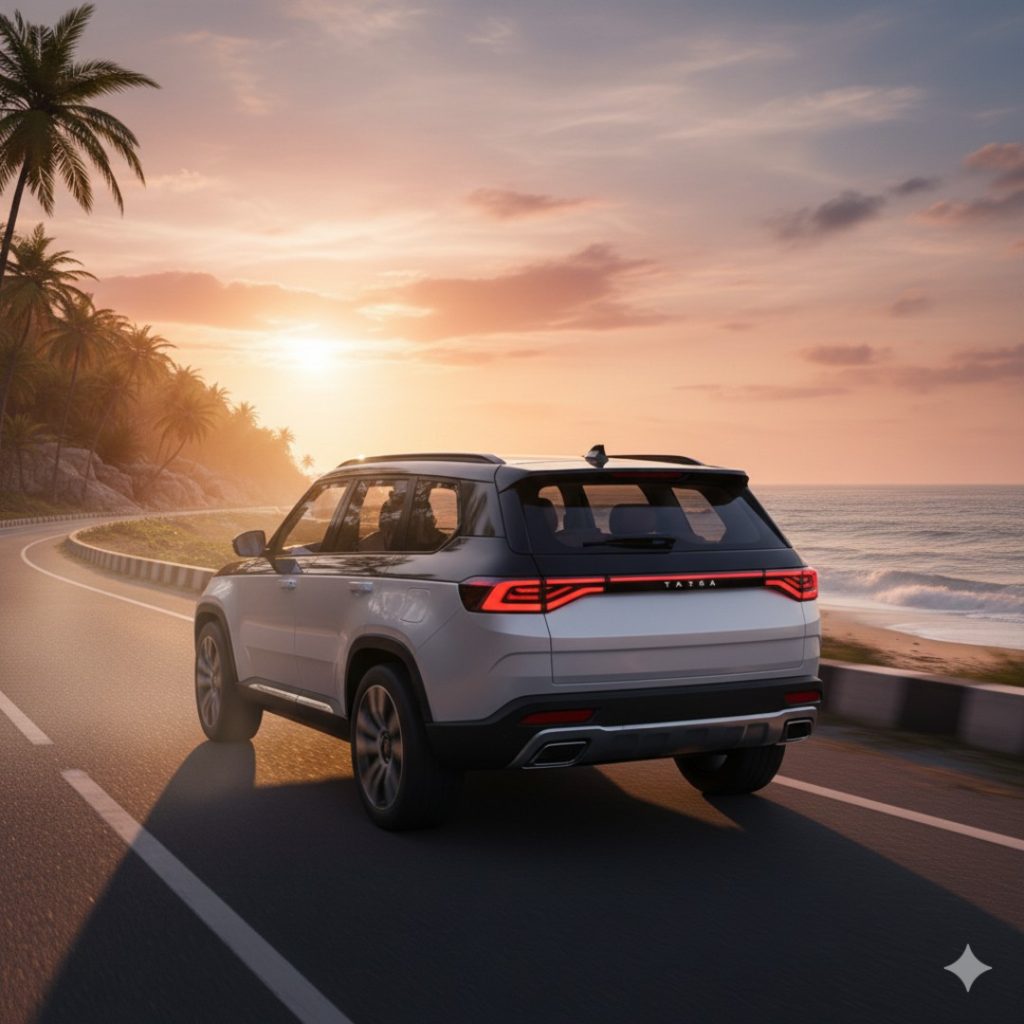
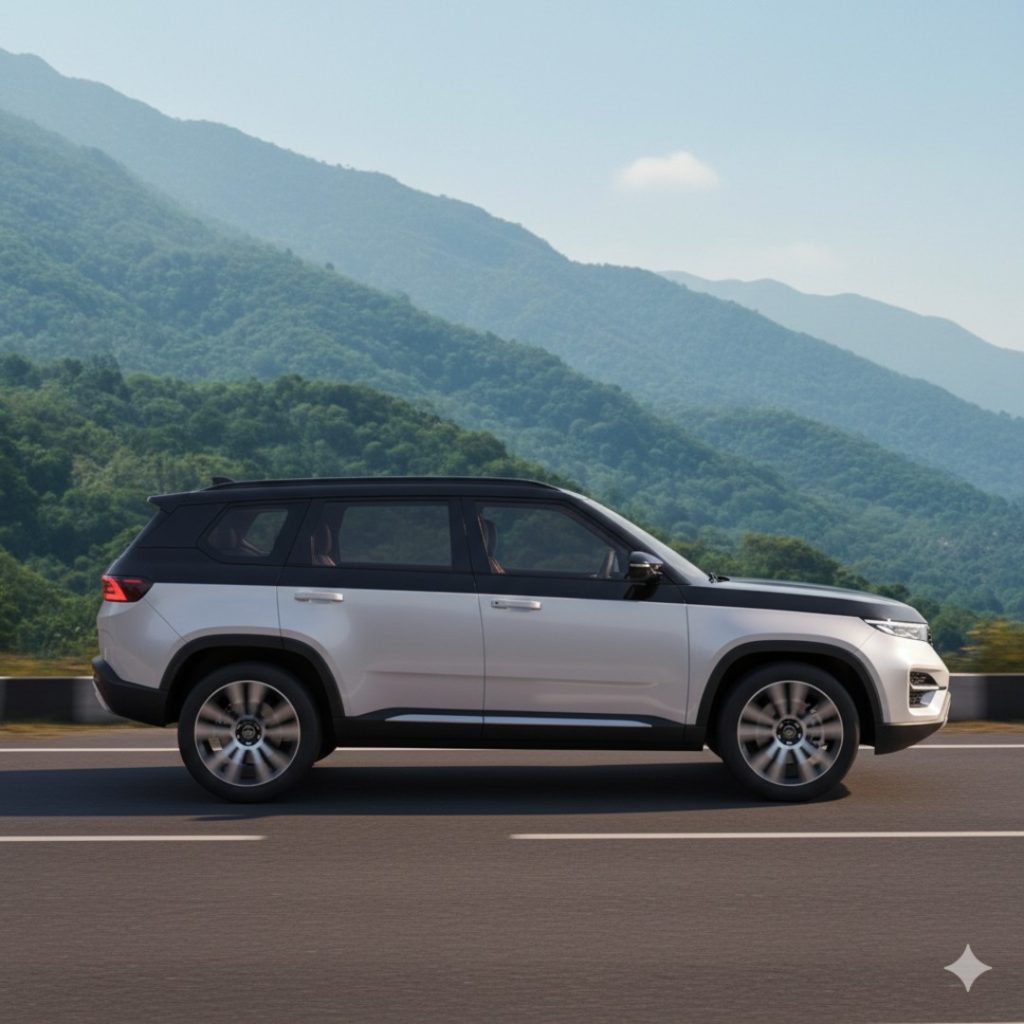
- The Side: Flush door handles (like the XUV700) give it a clean look. The 19-inch diamond-cut alloys fill the square wheel arches perfectly.
- Road Presence: It stands tall. While a Creta blends in, the Sierra demands attention. It feels like a “Mini Defender” for the Indian middle class.
Interior: Is the “Lounge” Real?
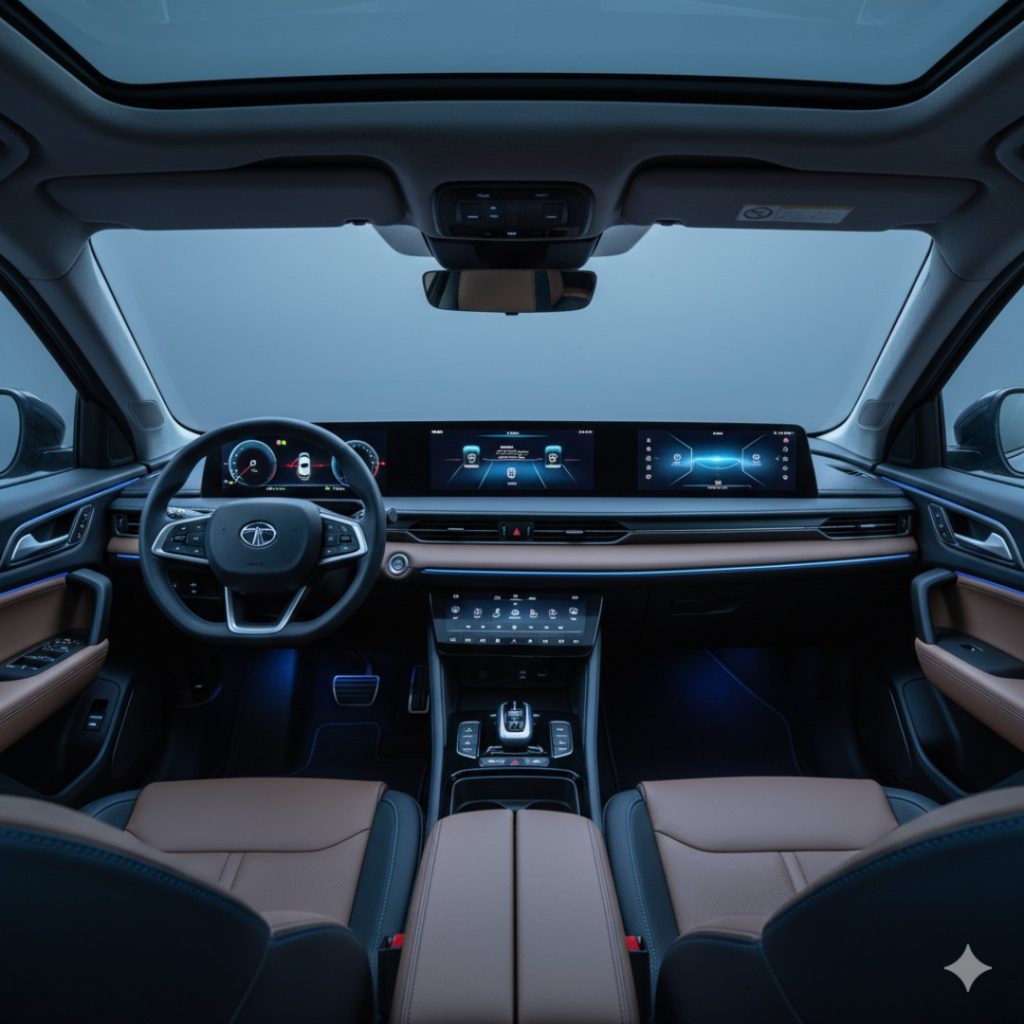
Open the heavy door (typical Tata “thud”), and you enter what Tata calls a “Digital Lounge.”
1. The Dashboard & Screens
Tata has gone for a Triple Screen Setup.
- Driver: 10.25-inch digital cluster (crisp, navigation-ready).
- Center: 12.3-inch Infotainment (JBL interface).
- Passenger: A dedicated screen for the co-passenger to consume media. It feels premium, almost luxury-segment-like.
2. The “Lounge” Seating
This is the USP. The rear seats are pushed slightly back to liberate massive legroom. The recline angle is generous, and the bench is contoured for two people primarily, though three can squeeze in.
- The Vibe: With the massive glass roof and the large side windows, the cabin feels airy. It cures claustrophobia instantly.
- Missing: I missed physical buttons for the HVAC controls. The touch panel looks cool but is tricky to use while driving on bad roads.
Engine Performance & Driving Dynamics
I tested the 1.5L TGDi Petrol Automatic. Here is the truth:
City Drive:
The engine is refined but has a slight turbo lag below 1800 RPM. In stop-go traffic, the DCT gearbox can feel a bit jerky between 1st and 2nd gear. However, the steering is light, making this SUV easy to park despite its size.
Highway Drive:
This is where the Sierra shines. Once you cross 2500 RPM, the 158 BHP kicks in. It pulls cleanly to 140 kmph. The straight-line stability is rock solid—Tata’s DNA is evident here. You don’t feel the speed.
Suspension & Handling:
Tata has tuned the suspension on the stiffer side to handle the tall height.
- The Good: No bouncy castle feeling on highways.
- The Bad: You will feel the sharp potholes and expansion joints in the city at slow speeds. It’s not as plush as the Citroen C3 Aircross, but it feels more indestructible.
The EV Variant:
If budget permits, the Sierra EV is the superior drive. Instant torque, zero lag, and a lower center of gravity (thanks to the battery pack) make it handle corners better than the petrol version.
Safety: 5-Stars or Bust?
Tata doesn’t compromise here. The Sierra is built on a modified architecture (likely ALFA/OmegaArc hybrid) and feels like a tank.
- Standard: 6 Airbags, ESP, Hill Hold, and All-Wheel Disc Brakes.
- ADAS Level 2: It works well on marked highways. Features like Adaptive Cruise Control and Lane Keep Assist are life-savers on the Yamuna Expressway.
- NCAP: Not tested yet, but we expect nothing less than a 5-Star BNCAP rating given Tata’s track record.
Real World Mileage: The Truth
ARAI figures are one thing; driving in Bangalore traffic is another. Here is what I got on the MID:
| Variant | ARAI Claimed | Real City Mileage | Real Highway Mileage |
| 1.5L Turbo Petrol | 16.5 kmpl | 9 – 10.5 kmpl | 14 – 15 kmpl |
| 1.5L Diesel | 20.4 kmpl | 13 – 14 kmpl | 18 – 19 kmpl |
| EV (Long Range) | 500 km | 340 – 360 km | 380 – 400 km |
The Competition: Sierra vs Scorpio-N vs Creta
The Sierra sits in a weird (but good) sweet spot.
1. Tata Sierra vs Mahindra Scorpio-N
- Select Scorpio-N if: You need 7 seats, 4×4 (Hardcore off-road), and road bullying presence.
- Select Sierra if: You need 5 premium seats, better tech, and a daily driver that is easier to manage in the city.
2. Tata Sierra vs Hyundai Creta
- Select Creta if: You want engine refinement, resale value, and a softer ride.
- Select Sierra if: You want safety (build quality), road presence, and that “Big SUV” feel at a similar price.
FAQs (People Also Ask)
Q: What is the waiting period for the new Tata Sierra?
Given the hype, expect a waiting period of 3 to 5 months for the top-end Petrol and EV variants.
Q: Does the Tata Sierra have a sunroof?
it features a massive fixed panoramic glass roof in the higher variants, adding to the roomy feel.
Q: Is the Tata Sierra EV better than the Nexon EV?
It sits a segment above, offering more space, a bigger battery (60kWh+), and faster charging speeds (up to 500km range).
Q: Does it come with 4×4?
The ICE (Petrol/Diesel) versions are FWD (Front Wheel Drive). However, the Sierra EV top variant is expected to offer an AWD (All Wheel Drive) dual-motor setup.