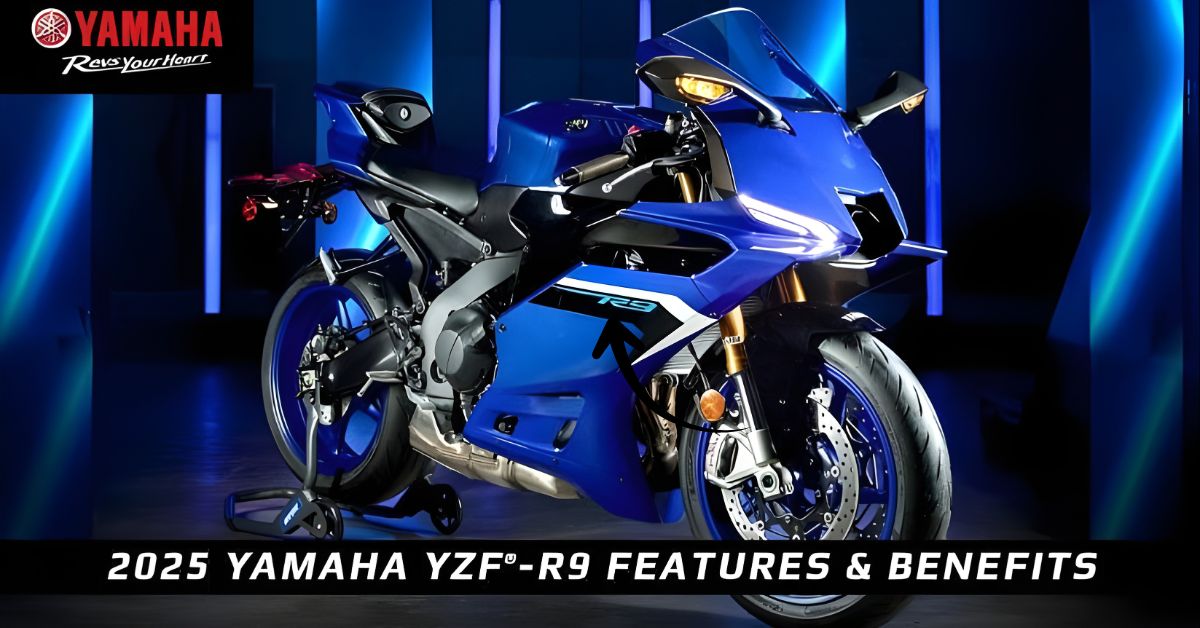
The Yamaha YZF-R9 is the latest flagship-class supersport from Yamaha that aims to bridge the gap between accessible 600–700 cc class sportbikes and heavyweight 1000+ cc superbikes. In 2025, the YZF-R9 is being positioned globally as a “supersport for real-world and track use” — combining a torquey triple-cylinder engine, modern electronics, refined chassis dynamics and street-friendly usability. For Indian riders awaiting its arrival, it promises to deliver both performance and practicality, albeit with the caveat of probable “CBU import + premium pricing + limited availability.” This guide gathers all known information as of late 2025: expected price in India, engine specs, performance potential, features, and full specifications — along with likely pros and cons for riders considering it.
Expected Price in India and Launch Outlook
The YZF-R9 is expected to enter the Indian market either late 2025 or early 2026, depending on regulatory approvals, import procedures or local assembly decisions. Estimated ex-showroom price ranges reported by motorcycle portals vary between ₹12.5 lakh to ₹13.5 lakh.Considering typical import-taxes, RTO charges, insurance and dealer premiums, the on-road price in major Indian metros may well reach ₹14–15 lakh at launch. Most sources treat these numbers as provisional and advise interested buyers to wait for official launch announcements before making commitments.
For a bike with 890 cc displacement, modern electronics, and a quality pedigree from Yamaha’s R-lineage, the price appears aggressive; yet it is positioned as an entry-level “superbike-class supersport” rather than a litre-class flagship. For riders in India looking for a high-performance yet manageable supersport, YZF-R9 could emerge as an attractive middle ground — provided they are comfortable with premium pricing and possibly limited dealer/service support initially.
Engine, Performance and the “Triple-Cylinder” Character
The heart of the YZF-R9 is its 890 cc, liquid-cooled, DOHC, triple-cylinder (three-cylinder) engine — the famed CP3 architecture that underpins several of Yamaha’s triples globally. Bore and stroke are 78 mm × 62.1 mm, with a compression ratio of 11.5:1. The engine is paired with a 6-speed gearbox, chain drive, wet multi-plate clutch and equipped with modern fuel-injection, ride-by-wire throttle and electronic engine management.
Yamaha claims that the YZF-R9 produces 119 PS of power at 10,000 rpm and 93 Nm of torque at 7,000 rpm (some sources list 117 PS / 93 Nm, depending on market). This powertrain offers a broad, usable powerband — smooth and manageable at low-to-mid rpms and surprisingly aggressive as revs climb, thanks to the triple’s linear torque curve and crossplane-derived exhaust pulse. Reviewers who have sampled R9 on streets and tracks outside India highlight that the throttle response is immediate, low-end torque makes riding in traffic easy, and once you push beyond 6000 rpm, the bike pulls strongly toward its redline with a characteristic triple roar.
This balance of controllable city-friendly response and around-the-track thirst for revs makes the YZF-R9 a flexible supersport: comfortable for daily rides yet capable of delivering genuine adrenaline on open roads or track days.
Dynamics, Chassis & Ride Experience
Unlike many supersport bikes that compromise daily usability for outright performance, the YZF-R9 uses a refined chassis platform that merges sportbike sharpness with practical ergonomics. The bike uses a cast-aluminum twin-spar frame (often referred to as “Deltabox” in Yamaha parlance) — claimed to be the lightest aluminum frame offered on a Yamaha supersport model — providing rigidity for aggressive handling while maintaining agility and manageable weight. Suspension setup features fully adjustable 43 mm front forks and a KYB rear monoshock, allowing riders to fine-tune the ride to their preferred balance of comfort and sportiness.
At roughly 195 kg (kerb wet weight) according to the official specification sheet, R9 remains manageable compared to heavier 1000 cc bikes, and thanks to near 50:50 weight distribution and compact geometry, cornering, quick direction changes, and highway stability are all well within control even for intermediate-skilled riders. The braking hardware is equally premium: dual front 320 mm discs with high-spec calipers (in many markets, Brembo Stylema) and a 220 mm rear disc, combined with advanced ABS and modern rider aids — ensuring the significant performance remains controllable and safe.
Reviewers who experienced the R9 on both street and track mention the ride feels “alive and connected” — firm yet forgiving enough for daily roads, agile in corners, and stable at high speeds, offering a real supersport feel without outright extremity.
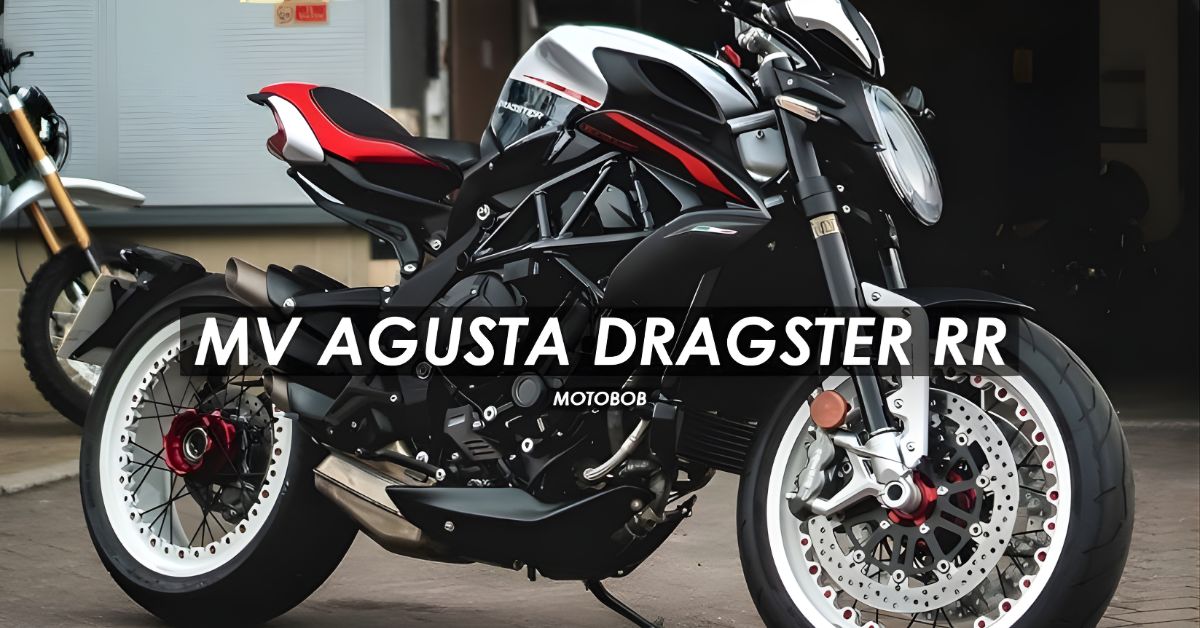
Read More: MV Agusta Dragster 800 RR
Fuel Tank, Expected Mileage, and Practical Usability for Indian Conditions
Yamaha officially lists fuel tank capacity for YZF-R9 as 14 litres. Given the 890 cc triple-cylinder displacement and performance character, it is reasonable to expect that mileage in real-world Indian conditions will be modest compared to commuter bikes. Official mileage figures are not released. Conservative estimates by early reviewers and potential owners suggest that one may target a figure between 14–18 km per litre, especially under mixed city-highway usage, though actual numbers will depend heavily on riding style, traffic and maintenance.
With a 14-litre tank, that would translate to a practical range of roughly 180–240 km per fill under typical riding. For city commuting or moderate highway cruising, this seems adequate. For frequent touring or long-distance highway riding, riders should plan fuel stops accordingly. Given the performance level and intended usage profile (sportbike / occasional track / spirited riding), fuel economy should be viewed as a trade-off rather than a weakness.
Expected Top Speed and Performance Envelope
Though Yamaha has not officially confirmed a top speed number for the Indian market, global performance reviews and data suggest that the YZF-R9 is capable of top speeds exceeding 200–220 km/h, likely capping near 230–240 km/h under optimal conditions (good tarmac, smooth roads, light rider + no luggage). More relevant, however, is how the bike delivers performance: acceleration, mid-range punch, and throttle response — factors that translate more meaningfully to real-world use on Indian roads than theoretical top speed.
Riding impressions mention that the motorcycle responds eagerly as rpm climbs beyond 5,000–6,000 rpm, offering a consistent and usable power delivery without abrupt peaks, which makes overtaking, highway bursts, or spirited canyon carving both manageable and thrilling.
Features, Electronics and Rider Aids (2025-Level Tech)
The 2025 Yamaha YZF-R9 comes with a modern package befitting its class. The instrument cluster is digital, delivering all essential readouts including speedometer, tachometer, gear position, fuel gauge, trip meter. The fuel injection system uses Yamaha’s YCC-T (Yamaha Chip-Controlled Throttle) setup, which ensures smooth throttle modulation and consistent delivery across riding conditions.
Braking and safety features include dual-disc front brakes with high-performance calipers and disc rear brake with ABS. Many global variants of the R9 are equipped with advanced rider aids: lean-angle sensitive traction control, ABS, optional riding modes, ride-by-wire throttle, adjustable suspension (on some trim levels), and high-spec braking gear (Brembo Stylema calipers). The frame and chassis geometry provide a balance of rigidity and agility, giving riders both comfort for street use and precision for aggressive or track riding.
All these features indicate that Yamaha intends the YZF-R9 to be a versatile machine — capable of daily commuting, weekend touring, spirited street riding, and even occasional track use — without requiring separate bike ownership for each use-case.
Full Specifications of Yamaha YZF-R9 (2025 Reference)
The Yamaha YZF-R9 features an 890 cc, liquid-cooled, inline 3-cylinder DOHC engine with 4 valves per cylinder. Bore and stroke measure 78 × 62.1 mm, with a compression ratio of 11.5:1. Maximum power is rated at 119 PS at 10,000 rpm, while peak torque stands at 93 Nm at 7,000 rpm. The gearbox is a 6-speed manual with chain final drive, and clutch is a wet multi-plate unit (with slipper/assist clutch on many global trims). The chassis is a cast aluminum twin-spar “Deltabox” frame. Suspension setup includes fully adjustable front forks (KYB) and a rear KYB monoshock. Braking is handled by dual front 320 mm discs with high-spec calipers and a single 220 mm rear disc, supported by ABS. Tyres are tubeless alloy wheels. Fuel tank capacity is 14 litres, and kerb (wet) weight is approximately 195 kg. Ground clearance is listed as roughly 140 mm, and wheelbase is 1,420 mm. Body dimensions are approximately 2070 mm length, 705 mm width, and 1180 mm height. The bike uses ride-by-wire throttle, digital instrumentation, fuel injection, and modern engine management.
These specifications place the YZF-R9 comfortably between middleweight and litre-class sportbikes: powerful enough to deliver real supersport performance, yet manageable enough for experienced riders who value a balance between excitement and daily usability.
Who Should Buy YZF-R9 — and Who Should Think Twice
The Yamaha YZF-R9 is best suited for riders who want a modern supersport motorcycle that delivers strong performance, refined handling, advanced features, and usability for both street and occasional track rides. For those upgrading from 400–600 cc motorcycles and looking for a next-level machine that is more exciting than a commuter but more practical than a full-blown litre-class superbike, R9 offers a compelling middle ground.
Its relatively moderate kerb weight, balanced chassis, and triple-cylinder engine make it easier to live with day-to-day than heavier 1000+ cc machines. The electronics, fuel injection, ride-by-wire and ABS add reassurance and practicality for Indian road conditions. For someone who values build quality, brand heritage, sportiness without excess brutality, and wants a bike that stays relevant for years, YZF-R9 makes sense.
On the other hand, riders who primarily want high mileage, minimal maintenance, or heavy-load touring may find R9’s 14-litre fuel tank and sport-biased setup less ideal. Also, those expecting full litre-class superbike power may find the 119 PS/93 Nm package satisfying but not extreme. Finally, as the bike is likely to be launched via CBU import (initially), costs may be high and service/spare-parts availability may be limited in smaller towns — a factor to consider before commitment.
Conclusion: Is Yamaha YZF-R9 Worth the Hype in 2025?
In 2025, the Yamaha YZF-R9 emerges as one of the most balanced and thoughtfully engineered supersport motorcycles in its displacement class. It offers a compelling mix of performance, usability, modern electronics and Yamaha’s sporty DNA, packaged in a chassis that balances agility and stability. For Indian riders wanting a “real” supersport experience without jumping into liter-class complexity, the YZF-R9 represents an excellent middle path.
If you are ready to invest in premium maintenance, accept slightly higher running costs than a commuter bike, and prioritise performance and riding enjoyment, the YZF-R9 could be one of the smartest sportbike buys in India’s 2025 market. For a rider who wants versatility — daily commuting, spirited weekend rides, occasional touring or even track days — the YZF-R9 offers versatility rarely matched by other bikes in its class.